
Now Reading: How Smart Devices Are Changing the Way We Live Essay
-
01
How Smart Devices Are Changing the Way We Live Essay

How Smart Devices Are Changing the Way We Live Essay

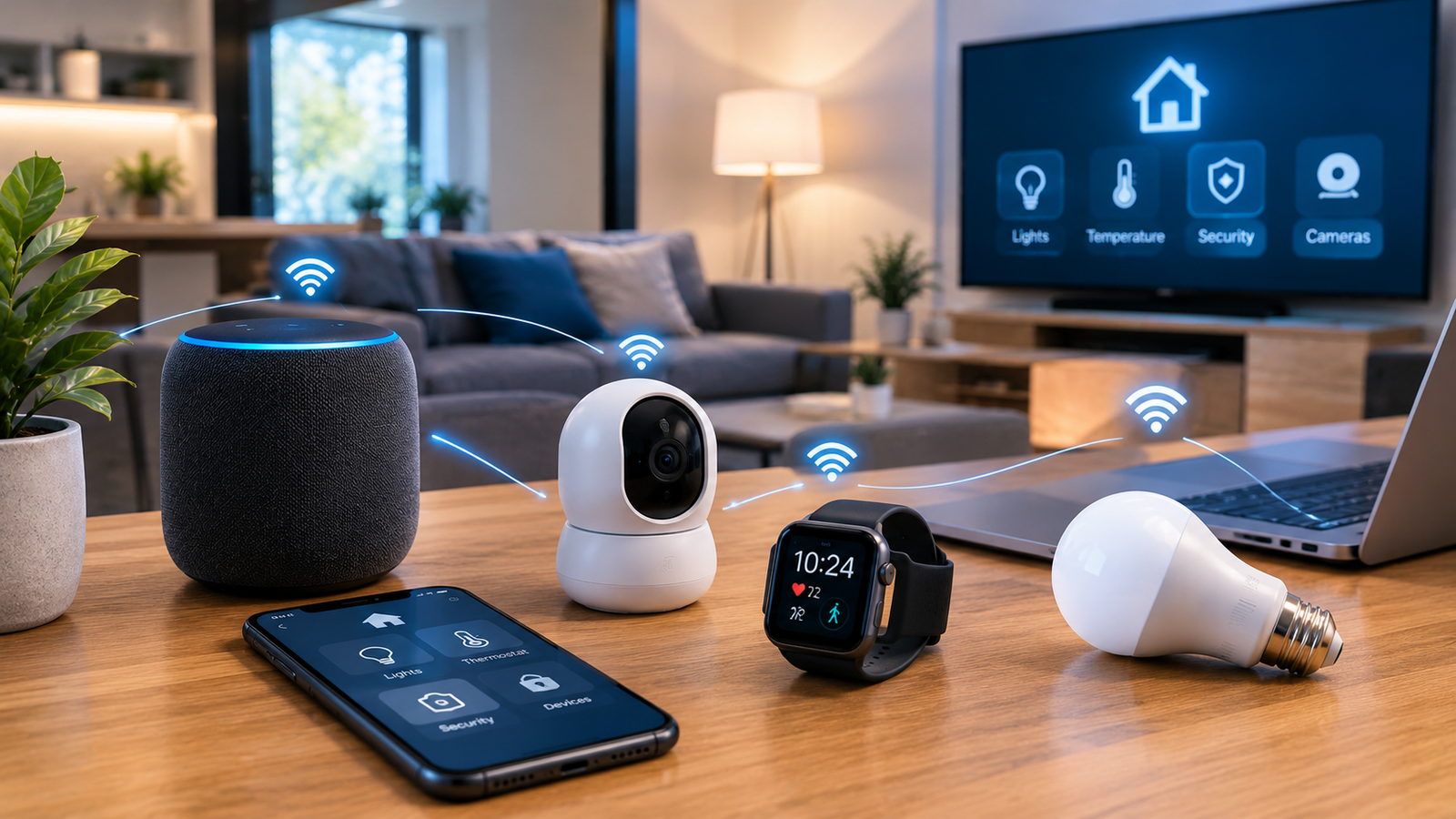
Smart devices have become ubiquitous in present-day society. Smartphone, smartwatch, smart speaker – the seemingly endless list of options continues to grow as modern innovations attempt to fill every corner of everyday life.
But the real question is whether these devices are truly as groundbreaking as they claim to be. Or are the changes they are bringing to society simply more subtle?
A growing number of smart devices are becoming so integrated into people’s daily routines that they begin to affect the way these people live.
Technology that assists with organization, communication, monitoring and control is becoming available, convenient and commonplace. Smart devices are being used in new ways every day.
Smart Technology Is Becoming Part of Everyday Routines
In the minds of many, smart technology is inseparable from high-tech apparatuses. The truth is, many of these devices’ primary functions are actually quite mundane.
A smartphone might be used to store personal information, manage day-to-day activities and complete transactions. A smartwatch displays notifications from the user’s phone. Smart devices such as home assistants allow for the remote control of other devices.
This is the main reason why these devices have gained such popularity – there is no need to perform each and every action manually if a smart device can do it instead.
This concept is so useful that people are beginning to incorporate connected devices into their lives not out of necessity, but simply because it is convenient.
Convenience Is One of the Biggest Advantages
Perhaps the most significant advantage of using smart devices is convenience.
Take a moment and think about a regular day in your life. You check the weather forecast, you read your schedule, you review any pending messages, listen to your favorite music and commute to work. In this example alone, there are several common activities that can now be assisted by an array of connected devices.
The list is truly endless – smart speakers can play music, smartphones can provide directions, smartwatches can notify you when a friend sends you a message, and so on.
However, these seemingly insignificant advantages add up to a truly remarkable experience.
This is also why not every innovation in the realm of smart technology is truly an innovation. A device that can do one simple thing exceptionally well will beat any smartphone that promises to do everything, but will actually do none of it particularly well.
Smart Devices Are Becoming More Connected
A notable trend among smart device production is an increase in interconnectivity between these gadgets.
A connected smartphone and smartwatch can exchange and share information between each other. Smart TVs and streaming devices allow for a seamless transition between cable TV and streaming services. Smart home surveillance systems notify the owner of any unusual activity in the house, and these notifications can be received on any connected device, including wireless headphones.
This increased interconnectivity results in an even more integrated experience: a message that appears on a smartwatch can be continued on a smartphone, or an interrupted video on a tablet can be resumed on a television.
The same goes for smart home devices. If a user wishes to view an entertainment system, they can do so with little to no interruption across multiple connected devices. However, this also means that much more information about these devices and their behaviors is collected by third parties.
The more interconnected a person’s digital environment is, the more crucial it becomes to keep track of what information is available about the person.
Smart Technology Can Help People Save Time
An often overlooked advantage of smart devices is their ability to assist people in saving time.
A lot of routine actions such as checking schedules or directions are automated or simplified using smart technology.
Devices can also remind users of these important obligations, reducing the cognitive load on the person considerably. For an average person, every minute saved on a repeated action is a huge advantage. Therefore, it is essential to take any opportunity to optimize these actions and save as much time as possible.
Smart Devices Are Changing How People Access Information
The sheer amount of information that smart devices collect about their users is simply astonishing. As is the case with other areas of technology, smart devices have made accessing and using information easier and simpler.
This is done primarily by eliminating the need to go to the source of information. Smart devices are the sources of information now. As a result, people expect answers right away, and any delay is considered an inconvenience.
Businesses have realized this, which is why information on their websites and other digital platforms is now more accessible than ever before. Customers want convenience and quick access to the information they require.
There Are Still Limits to Smart Technology
No technology is perfect, and smart devices and their auxiliary accessories are no exception. A connected device can malfunction, disconnect from the network, die or provide incorrect information.
Automation can also fail at inopportune times.
This is why even the tiniest convenience that requires automation and smart technology to function cannot be relied upon. This is where regular technology, knowledge and skills come into play.
Being fluent in the basic operations of the devices that one uses regularly will prevent many inconveniences that would otherwise arise.
Technology Should Assist, Not Replace People
A crucial point to consider when using smart devices is that they should only serve as assistants.
Smart devices should only do what they are programmed to do exceptionally well.
A person using a smart device must understand what the limitations of their devices are; otherwise, they will quickly become frustrated as the devices fail to fulfill their requests. Technology should only be used to assist in completing tasks and gaining access to information.
Privacy Has Become More Important
Depending on the features of a smart device, it is possible that a variety of information about the user will be collected bythe manufacturer or other third parties.
Location data, activity information, voice recordings, device usage and account information are just some of the many examples of data that can be used to compromise a person’s privacy.
As this issue is becoming a growing concern, a person must know how to protect themselves from possible threats. There are several steps that a person can take to ensure that their personal data remains private and secure.
They can adjust their privacy settings, provide strong passwords, enable any security features provided by the devices and manage their connected devices. A good understanding of how different devices function is paramount in maintaining digital privacy.
Smart Homes Are Becoming More Practical
One of the most interesting uses for smart devices is in the creation of smart homes. Smart homes utilize a number of interconnected devices to optimize day-to-day activities.
From controlling artificial lighting or temperature, to monitoring the home and its inhabitants, smart devices can be put to a variety of uses.
However, the main attraction of smart homes is convenience and control. Checking the status of a device or receiving an alert is much more convenient and time-saving than manually inspecting the device.
As a growing number of interconnected devices become available and easier to install, smart homes are going to become a much more popular concept.
The Future May Be Less Visible
When looking at the history of smart technology, it is obvious what direction the future of this industry is going. Instead of interacting with technology, technology will now interact with the user.
A smart speaker will get to know a user’s preferences and recommend content based on their tastes. These same devices can also be programmed to update automatically. Smart devices are getting smarter, meaning that their functionality is no longer limited to performing actions.
It is the role of the user to optimize their use of smart devices without relying too heavily on them. The ultimate test of smart technology is whether or not a person can rely on it without becoming overly dependent on it.
Smart Technology Should Solve Real Problems
As previously mentioned, the most important quality of smart technology is its ability to solve problems and accomplish tasks.
A successful smart device has to be able to fulfill a purpose – to solve a problem, to complete a task or to make a specific process easier. There is no sense in buying a smartphone for its ability to store one’s schedule if it cannot do that.
It is this feature that is going to remain the most important for smart devices in the future. As the technology industry moves towards providing consumers with more connected devices, this principle will become increasingly important. A more integrated digital experience will only be enjoyable if consumers utilize this technology to minimize their own effort in accomplishing tasks.
A More Connected Everyday Life
Smart devices are transforming the way in which people go about their daily lives. They assist in communicating with others, organizing day-to-day activities, monitoring one’s surroundings and completing small, routine tasks. Smart devices transform the everyday routine of a person.
But this transformation is not only the result of one particular smart device. It is the integration between different pieces of technology that allow for such an extensive change. As smart technology continues to be both developed and used, people are going to find themselves surrounded by more connected devices than ever before. The key is to use them correctly.
Related Posts
Stay Informed With the Latest & Most Important News
Previous Post
Next Post


Advertisement