

Now Reading: 8 Ways to Lose Belly Fat: Exercise for Visceral Body Fat
-
01
8 Ways to Lose Belly Fat: Exercise for Visceral Body Fat


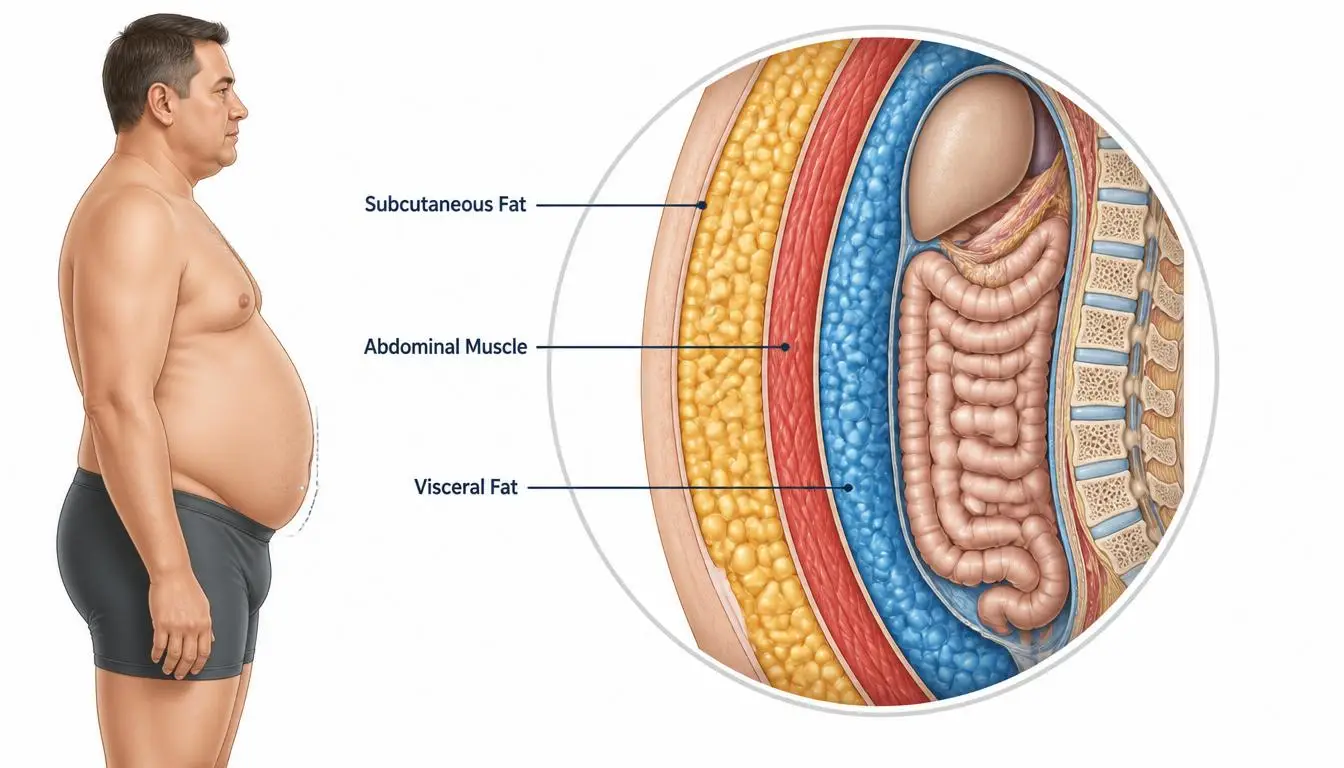
Losing belly fat is a common goal for many, not just for aesthetic reasons but significantly for overall health. This article delves into understanding different types of belly fat, the health risks associated with them, and effective strategies, particularly exercise, to help you reduce fat around your middle and improve your well being.
Understanding Belly Fat
What is Belly Fat?
Belly fat is broadly categorized into two main types: subcutaneous fat and visceral fat. Subcutaneous fat is the visible, pinchable layer of fat that lies just beneath the skin, often found around your belly, hips, and thighs. In contrast, visceral fat, also known as intra-abdominal fat, is hidden deep within the abdomen, surrounding vital internal organs such as the liver and intestines. While it’s normal and healthy to have some visceral fat to protect these organs, an excess amount can pose significant health risks. This internal fat is also stored in the omentum, a tissue flap under the belly muscles that thickens as it accumulates more fat.
Types of Body Fat: Visceral vs. Subcutaneous
Approximately 90% of a person’s total body fat is typically subcutaneous, which is the soft, jiggly fat you can easily pinch with your fingers. This type of fat can be found in various areas of the body, including the belly, hips, and thighs. The remaining 10% is the more dangerous visceral fat, which lies out of reach beneath the firm abdominal wall. You cannot pinch visceral fat because it is located deep within the abdomen, surrounding internal organs and stored in the omentum. Understanding this distinction is crucial, as the health implications of visceral fat are far more severe than those of subcutaneous fat.
Health Risks Associated with Belly Fat
Excess belly fat, particularly visceral fat, is not good for your health and is considered particularly perilous. It actively produces cytokines, which can trigger low level inflammation, significantly increasing the risk of heart disease and other chronic conditions. Visceral fat also produces a precursor to angiotensin, leading to constricted blood vessels and elevated blood pressure. A large amount of fat around your middle is directly linked to an increased risk of high blood pressure, unhealthy blood fat levels, sleep apnea, cardiovascular disease, high blood sugar, type 2 diabetes, certain cancers, stroke, fatty liver, and even early death. Even a modest increase of 2 inches in waist size has been shown to raise the risk for cardiovascular disease. Higher visceral fat volume contributes to metabolic syndrome, which includes high blood pressure, elevated blood sugar levels, high triglyceride levels, and low HDL (good) cholesterol, all serious risk factors for heart disease and diabetes. Studies have also linked high levels of abdominal fat to an increased likelihood of developing dementia, asthma, breast cancer in premenopausal women, and colorectal adenomas.
Effective Exercises to Lose Belly Fat
Cardiovascular Exercises
Engaging in consistent cardiovascular exercises is a highly effective way to reduce your waist circumference and target stubborn belly fat. Even if you don’t lose significant body weight, regular physical activity helps you lose visceral fat and gain valuable muscle mass. Aim for at least 30 minutes of moderate intensity activity most days, such as brisk walking or bicycling at a casual pace. Studies have consistently shown that consistent aerobic activity can significantly help trim visceral fat or prevent its growth, making it a crucial component in any strategy to lose belly fat. For most individuals, committing to 30 to 60 minutes of moderate to vigorous exercise nearly every day can play a substantial role in burning abdominal fat. This type of exercise appears to specifically target belly fat because it reduces circulating levels of insulin, which is often linked to fat storage, and encourages the liver to utilize fatty acids, particularly those found in visceral fat deposits. Incorporating high intensity interval training (HIIT) can further amplify these effects, making cardiovascular workouts a cornerstone for anyone looking for ways to lose belly fat and improve their overall health.
Strength Training for Fat Loss
Incorporating strength training into your exercise routine is an excellent strategy to trim visceral fat and prevent its accumulation. Lifting weights, even at a moderate intensity, helps to build lean muscle mass. This increase in muscle is highly beneficial because muscle is more metabolically active than fat, meaning your body will burn more calories throughout the entire day, both at rest and during your workouts. While specific exercises like sit ups cannot directly “target” belly fat, they contribute to overall calorie expenditure, strengthen your abdominal muscles, and help develop more muscle, which is key for fat loss. To maximize calorie burning and overall fat loss, consider lifting heavier weights and reducing the rest periods between repetitions. This approach can promote a higher metabolic rate even after you’ve left the gym. Strength training exercises are recommended at least twice a week as part of a comprehensive program to reduce fat around your belly. By increasing your muscle mass, you effectively create a more efficient fat burning machine, making it easier to lose excess fat and maintain a healthy weight.
Core Workouts to Target Belly Fat
While specific core workouts like sit ups and crunches are excellent for tightening and toning abdominal muscles, it’s important to understand their role in overall fat loss. These spot exercises can strengthen your core, but they do not directly reduce visceral fat or subcutaneous fat around your belly. You cannot target fat from specific parts of your body by only exercising that particular body part. Therefore, relying solely on crunches or sit ups to eliminate belly fat will not yield the desired results, as they don’t directly burn intra-abdominal fat. The most effective approach to reduce belly fat is to lower your overall body fat percentage through a combination of moderate intensity physical activity and a healthy diet. When you successfully reduce your total body fat, you will simultaneously see a reduction in your abdominal fat. If you enjoy abdominal exercises, by all means, make them a part of your fitness routine. However, ensure they complement, rather than substitute, the recommended 150 minutes of weekly moderate intensity physical activity, which is crucial for burning fat around your middle and improving your cardiovascular health.
Dietary Changes to Support Fat Loss
Reducing Sugar Intake
A critical step in losing belly fat is to significantly reduce your sugar intake, especially from products that seem to encourage fat around your belly. Simple sugars, particularly fructose sweetened foods and beverages, are known culprits for increasing visceral fat deposition. A great starting point for improving your food choices is to eliminate all sugary drinks, including not just soda, but also fruit juices. When fruits are juiced, the beneficial fiber is removed, leaving behind a concentrated source of pure sugar, which can contribute to excess fat. Replacing sugary beverages with water will dramatically cut down your sugar intake and help reduce fat around your middle. After tackling drinks, focus on cutting down on other foods high in added sugar. If you have a sweet tooth, opt for natural, fiber rich fruits like apples, melon, or fresh berries as a healthy dessert alternative. These choices not only satisfy cravings but also support your overall goal to lose belly fat and manage blood sugar levels, reducing the risk of conditions like type 2 diabetes.
Incorporating Fiber Rich Foods
Incorporating fiber rich foods into your diet is a powerful strategy to reduce belly fat. A low carbohydrate eating plan, which naturally emphasizes fiber, helps shift your intake away from problem foods, those high in carbs and sugar with minimal fiber, such as bread, bagels, and sodas. Instead, it guides you towards high fiber or high protein options like a variety of vegetables, beans, and healthy meats. Starting your meal, particularly your largest one, with seasoned vegetables, whether it’s a vegetable soup or the vegetables on your entrée plate, is highly beneficial. Vegetables should consistently comprise at least half of your plate, offering a mix of both starchy and non-starchy varieties. Eating these fiber rich vegetables first is a strategic move, as their filling fiber content will leave less room for other less healthy foods. This approach not only aids in feeling fuller for longer but also helps in managing overall calorie intake, making it easier to reduce abdominal fat and achieve your fat loss goals.
Healthy Fats vs. Unhealthy Fats
When it comes to losing belly fat, understanding the role of different fats in your diet is crucial. Studies have shown that a low carbohydrate diet, even with the same amount of calories, can lead to more weight loss, particularly a higher percentage of fat loss compared to lean tissue loss, than a low fat diet. Many popular “flat belly diets” echo the wisdom of a Mediterranean diet, which emphasizes foods rich in monounsaturated fatty acids (MUFA). These MUFAs, found in olive oil, nuts, seeds, avocados, and fish, may actively help reduce your belly fat storage. Conversely, it’s vital to limit saturated fat, commonly found in red meat and high fat dairy products like butter, to promote overall health and reduce stubborn belly fat. Equally important is to avoid trans fats, often present in deep fried or processed foods, as they specifically seem to encourage belly fat accumulation. Be mindful of packaged goods, snack foods, gravies, mayonnaise, sauces, and salad dressings, which frequently contain high amounts of unhealthy fats, added sugar, and sodium, all of which hinder efforts to lose fat around your middle. Choosing moderate amounts of monounsaturated and polyunsaturated fats is key for a healthy diet and effective fat loss.
Lifestyle Habits for Maintaining a Healthy Weight
The Importance of Sleep
Getting adequate and quality sleep is paramount when striving to lose belly fat and maintain a healthy weight. A comprehensive five year study revealed that adults under 40 who consistently slept five hours or less per night significantly accumulated more visceral fat. Interestingly, the study also found that young adults who slept more than eight hours similarly added visceral fat, highlighting the importance of a balanced sleep duration. A more recent study involving 70,000 individuals further solidified this, demonstrating that those getting less than five hours of sleep were more prone to gaining 30 or more pounds. Therefore, if you’re not sleeping well or enough, you could be at increased risk for accumulating more visceral fat around your middle. Rest, in the form of sufficient sleep, is a crucial component in any strategy to reduce fat and manage your body weight.
Stress Management Techniques
Effective stress management is a critical, yet often overlooked, component in the battle against belly fat. Overtraining, for instance, can be particularly problematic because it often leads to an overproduction of cortisol, a stress hormone that has been strongly linked to increased abdominal fat. When your body experiences stress, it enters a “fight-or-flight” mode, causing an elevated release of cortisol, which in turn can prompt your body to store more visceral fat. To counteract this, incorporating stress reducing techniques into your daily routine is essential. Practices such as yoga, meditation, or even simply taking a brisk walk outside can significantly help lower cortisol levels, thereby aiding your efforts to reduce fat around your belly and promote a healthier weight. Managing stress is not just good for your mental well being; it’s also a powerful way to reduce stubborn belly fat.
Staying Hydrated
Staying adequately hydrated is a simple yet profoundly effective strategy in your journey to lose belly fat. One of the most impactful dietary changes you can make to reduce fat around your middle is to replace sugary beverages with water. Sugary drinks, including sodas, sweetened teas, and fruit juices, are significant contributors to excess sugar intake, which is directly linked to an increase in visceral fat and overall weight gain. By making this single substitution, you will dramatically cut down your sugar consumption, thereby reducing the amount of calories from empty sugars that often convert into fat storage. This conscious choice supports your efforts to reduce fat and contributes to maintaining a healthy weight, making hydration a cornerstone of any effective fat loss plan.
Tracking Progress in Your Fat Loss Journey
Setting Realistic Goals
When embarking on a mission to lose belly fat, setting realistic goals is crucial for long term success and maintaining a healthy weight. Reducing excess fat, particularly stubborn belly fat, and ensuring it stays off requires sustained effort and considerable patience. It’s important to understand that significant fat loss, especially around the belly, doesn’t happen overnight. Instead, aim for slow and steady weight loss. This approach not only makes the journey more manageable but also increases the likelihood of keeping the lost weight off permanently. Focusing on gradual progress rather than rapid results helps prevent discouragement and fosters sustainable lifestyle changes in both diet and exercise, ultimately leading to a healthier body and less fat around your middle.
Using Technology to Monitor Your Progress
Monitoring your progress effectively is vital for staying motivated and making informed adjustments to your fat loss plan. While sophisticated tools exist, a simple tape measure remains your best home option for keeping tabs on visceral fat. Measure your waistline at the level of the navel, not the narrowest part of your torso, ensuring you always measure in the same spot without sucking in your gut or pulling the tape too tight. For women, a waist circumference of 35 inches or larger generally indicates excess belly fat and heightened health risks, including type 2 diabetes and cardiovascular disease. For men, a waistline exceeding 40 inches signals similar risks. The greater the waist measurement, the higher the health concerns. Additionally, a BMI of 30 or higher (or 23+ for Asian Americans) and a hip-to-waist ratio greater than 0.85 in women or 0.90 in men may also suggest an unhealthy amount of fat around your belly.
Knowing When to Consult a Professional
Understanding when to consult a healthcare professional is an important aspect of a safe and effective fat loss journey. If you’re concerned about having more visceral fat than is healthy, or if you worry it might be putting your health at risk, it’s always advisable to talk to your doctor. They can provide personalized guidance to help you get started and stay on track with losing belly fat. Your doctor can assess your risk factors for conditions such as type 2 diabetes and cardiovascular disease, and may perform various checks, including blood pressure, heart rate, and blood or urine tests, to get a comprehensive picture of your health. Consulting a professional ensures you receive expert advice tailored to your specific needs, helping you develop a safe and effective plan to reduce fat around your middle and achieve a healthy weight.
Related Posts



Stay Informed With the Latest & Most Important News
Previous Post
Next Post




Advertisement